
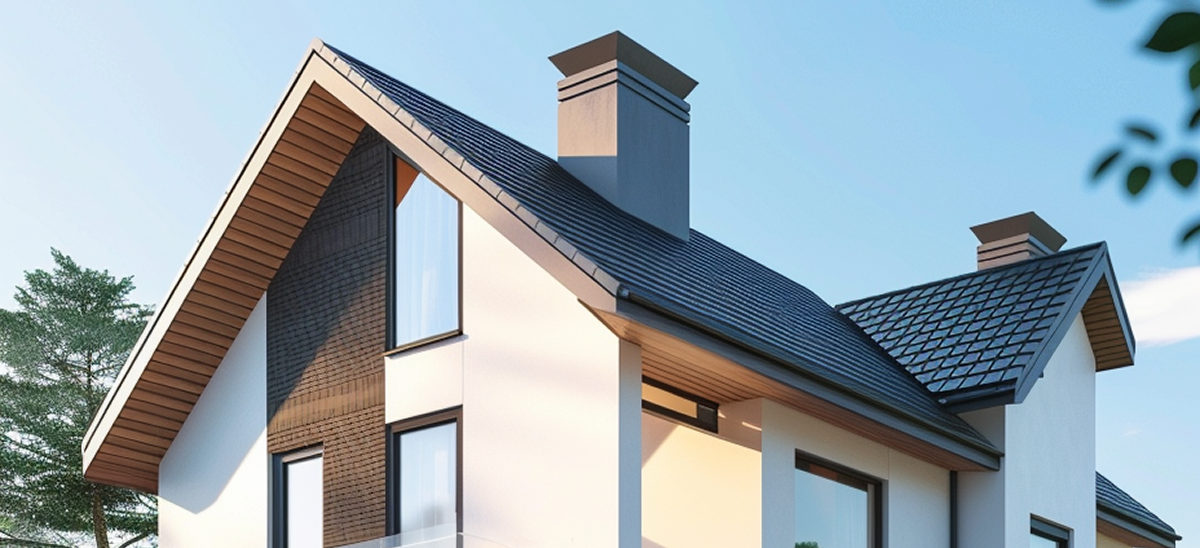
The construction and renovation industry is rapidly evolving with the integration of smart technologies. Smart buildings use advanced automation systems, sensors, and connected devices to manage operations such as lighting, heating, security, and energy consumption. These intelligent systems not only enhance comfort and efficiency but also reduce operational costs, making them a key focus in modern construction projects.
Automation is transforming how buildings are designed, constructed, and maintained. From automated HVAC systems to intelligent lighting controls, buildings are becoming more responsive to user needs. Automation enables real-time monitoring and control, allowing property owners to optimize performance and reduce energy waste. In renovation projects, automation can be seamlessly integrated into existing structures, upgrading them to meet modern standards.
The future of construction lies in innovation, sustainability, and intelligent design—where every project contributes to smarter, more resilient infrastructure.
1. Smart Infrastructure & Digital Integration
One of the biggest advantages of smart buildings is improved energy efficiency. Automated systems can adjust lighting and temperature based on occupancy, weather conditions, and time of day. This reduces unnecessary energy usage and lowers utility bills. Sustainable construction practices combined with smart technology contribute to greener buildings, helping reduce carbon footprints and support environmental goals.
2. Enhanced Security and Safety Systems
Smart buildings incorporate advanced security features such as surveillance cameras, motion detectors, biometric access, and remote monitoring. These systems provide real-time alerts and allow building managers to respond quickly to potential threats. In addition, automated fire detection and emergency response systems improve safety, making buildings more secure for occupants.
3. Integration of IoT in Building Management
The Internet of Things (IoT) plays a crucial role in smart building automation. Connected devices communicate with each other to provide a seamless user experience. For example, smart thermostats, lighting systems, and appliances can be controlled through mobile apps or centralized dashboards. This integration allows building managers to gather data, analyze performance, and make informed decisions for better efficiency.
4. Advanced Construction Equipment & Automation
Although the initial investment in smart building technology may be higher, it offers significant long-term savings. Reduced energy consumption, lower maintenance costs, and improved operational efficiency contribute to a strong return on investment. Additionally, smart buildings often have higher property value and appeal to modern buyers and tenants who prioritize convenience and sustainability.
5. Data-Driven Project Management
The future of smart buildings is driven by innovations such as artificial intelligence, machine learning, and predictive analytics. These technologies will enable buildings to learn user behavior, anticipate needs, and optimize performance automatically. As construction and renovation industries continue to embrace digital transformation, smart buildings will become the standard rather than the exception, shaping a more efficient and sustainable built environment.
6. Focus on Worker Safety & Training
With stricter safety regulations and better training programs, construction companies are prioritizing worker well-being. Wearable tech and AI-based monitoring are also enhancing site safety.


Really insightful piece! The way smart automation is shaping modern construction is fascinating. Looking forward to seeing more buildings embrace this tech.
A brilliant overview of where the industry is heading. Smart buildings truly seem like the future of efficient and sustainable living.
Great read! The integration of automation in renovation projects is a game changer—both practical and innovative.