
Renovation involves improving or updating an existing structure without completely rebuilding it. This can include upgrading interiors, repairing structural elements, modernizing layouts, or enhancing aesthetics. Renovation is often ideal for properties with strong foundations but outdated designs. It allows you to retain the original charm while adding modern functionality.
Choosing between renovation and new construction is one of the most important decisions for homeowners, investors, and developers. Both options come with unique benefits, challenges, and costs. Your choice ultimately depends on your budget, timeline, property condition, and long-term goals. Understanding the key differences can help you make a confident and informed decision.
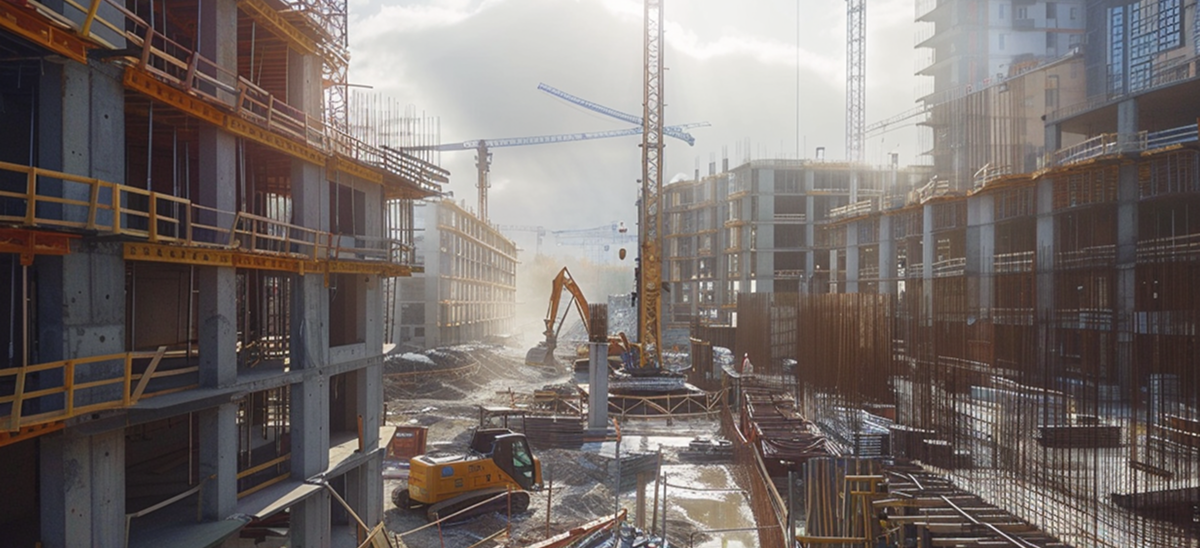
New construction means building a structure from the ground up. This option gives you complete control over design, layout, materials, and technology.
1. Smart Infrastructure & Digital Integration
Renovation is usually more cost-effective than new construction, especially when the structure is still in good condition. However, unexpected repairs can increase expenses. On the other hand, new construction has higher upfront costs but offers better predictability in budgeting. You won’t need to deal with hidden issues like outdated wiring or structural damage.
2. Time and Project Duration
Renovation projects are typically faster since you’re working with an existing structure. However, delays can occur if unforeseen issues arise. New construction takes longer because it involves planning, approvals, and building from scratch. If time is a critical factor, renovation may be the quicker option.
3. Design Flexibility and Customization
Renovation comes with certain limitations, as you must work within the existing structure. While you can make significant changes, some elements like load-bearing walls may restrict design freedom. In contrast, new construction offers complete flexibility, allowing you to design every detail according to your vision.
4. Sustainability and Energy Efficiency
Renovation can be a more sustainable option since it reduces construction waste and reuses existing materials. However, new construction allows you to incorporate the latest energy-efficient technologies, eco-friendly materials, and smart home systems from the beginning, leading to long-term savings.
5. Data-Driven Project Management
Modern construction relies heavily on data analytics for planning, budgeting, and execution. Real-time insights help teams make informed decisions and avoid costly delays.
6. Focus on Worker Safety & Training
With stricter safety regulations and better training programs, construction companies are prioritizing worker well-being. Wearable tech and AI-based monitoring are also enhancing site safety.


A really insightful comparison between renovation and new construction. It clearly highlights the pros and cons of both, making the decision process much easier!
Brilliantly written! I appreciated how the article broke down costs and long-term value in such a simple way—very helpful for anyone planning a project.
A fantastic read with practical advice. It gave me a clearer perspective on when to renovate versus starting from scratch. Well done!