
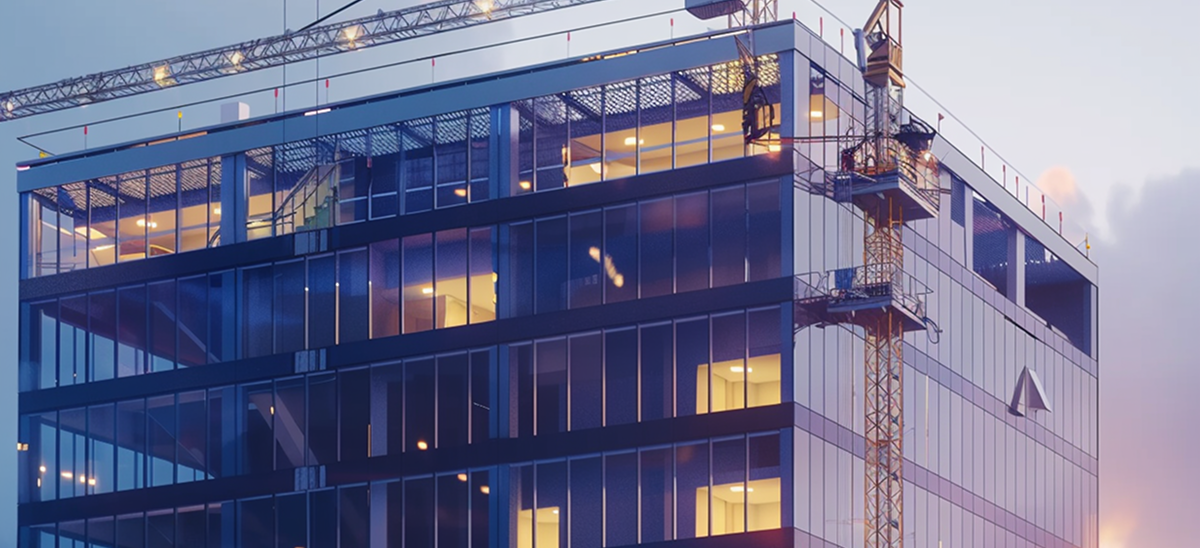
Modern residential construction is increasingly focused on sustainability. Homeowners and builders are choosing eco-friendly materials such as bamboo flooring, recycled steel, reclaimed wood, and low-VOC paints. These materials not only reduce environmental impact but also improve indoor air quality. Additionally, energy-efficient insulation and solar-ready roofing systems are becoming standard, helping homeowners lower long-term utility costs while supporting green living practices.
Technology is transforming how homes function. Smart home systems now allow homeowners to control lighting, security, temperature, and appliances through mobile apps or voice assistants. From automated lighting systems to advanced security cameras and smart thermostats, these features provide convenience, safety, and energy efficiency. Modern homes are being designed with built-in tech infrastructure to accommodate future upgrades seamlessly.
The future of construction lies in innovation, sustainability, and intelligent design—where every project contributes to smarter, more resilient infrastructure.
1. Smart Infrastructure & Digital Integration
Open floor plans continue to dominate residential design, creating a sense of spaciousness and better natural light flow. However, there’s a growing trend toward flexible spaces that can serve multiple purposes. For example, living rooms can double as workspaces, and dining areas can transform into study zones. Sliding partitions, movable walls, and multi-functional furniture help adapt spaces based on changing needs.
2. Sustainable & Green Construction
Blending indoor and outdoor spaces is a major trend in residential construction. Large glass doors, outdoor kitchens, patios, and garden lounges create a seamless transition between the interior and exterior. Homeowners are investing in outdoor living areas that function as extensions of their homes, providing relaxation and entertainment spaces while increasing property value.
3. Modular & Prefabricated Construction
Clean lines, neutral color palettes, and uncluttered spaces define the modern minimalist trend. This design approach focuses on functionality and simplicity, eliminating unnecessary elements while maintaining elegance. Built-in storage solutions, sleek finishes, and natural textures like wood and stone are commonly used to create a balanced and calming environment.
4. Advanced Construction Equipment & Automation
Energy-efficient homes are no longer optional—they are becoming a priority. Features such as solar panels, energy-efficient windows, LED lighting, and advanced HVAC systems are helping reduce energy consumption. Net-zero homes, which produce as much energy as they consume, are gaining popularity. These homes not only lower energy bills but also contribute to a more sustainable future.
5. Data-Driven Project Management
Clean lines, neutral color palettes, and uncluttered spaces define the modern minimalist trend. This design approach focuses on functionality and simplicity, eliminating unnecessary elements while maintaining elegance. Built-in storage solutions, sleek finishes, and natural textures like wood and stone are commonly used to create a balanced and calming environment.
6. Personalized and Custom Design Features
Today’s homeowners want spaces that reflect their lifestyle and personality. Customization is a key trend, with unique layouts, personalized interiors, and tailored features becoming more common. Whether it’s a home office, gym, meditation room, or entertainment zone, residential design is moving toward highly individualized solutions that enhance comfort and usability.


Really insightful read—loved how it highlighted modern design trends while keeping practicality in focus. A great guide for anyone planning a home upgrade!
Fantastic overview of current residential design ideas. The emphasis on sustainability and smart layouts is especially relevant today!
Brilliantly written and easy to follow. It’s inspiring to see how contemporary construction blends style with functionality so seamlessly.